Many life-threatening vascular diseases develop silently, showing no symptoms until a serious event such as a stroke, aneurysm rupture, or limb-threatening blockage occurs. Regular vascular screening can detect these hidden problems early often before they cause irreversible damage. For residents of the Shenandoah Valley and surrounding communities, vascular screening performed by board-certified vascular surgeons offers a powerful way to safeguard long-term health.
At Shenandoah Valley Surgical Associates (SVSA), our vascular team sees daily how early vascular detection changes lives. A simple ultrasound can reveal narrowing in the carotid arteries before a stroke occurs, or an abdominal aortic aneurysm (AAA) before it ruptures. In many cases, these findings allow for timely lifestyle changes or minimally invasive procedures that prevent catastrophic outcomes.
Early vascular screening can literally save lives by catching silent diseases before symptoms appear.
What Is Vascular Screening and Why It Matters
Vascular screening is a non-invasive diagnostic process that uses ultrasound, Doppler imaging, and ankle-brachial index (ABI) testing to assess blood flow in major arteries and veins. The goal is to detect early signs of vascular disease such as atherosclerosis, aneurysms, or peripheral artery disease (PAD) before they become symptomatic or life-threatening.
Unlike general physical exams, vascular screening specifically targets the circulatory system. It can reveal blockages or structural weaknesses in arteries that might otherwise go unnoticed for years.
According to the Society for Vascular Surgery (SVS): “Early detection is the most effective way to reduce the risk of stroke and other vascular emergencies, particularly in older adults and high-risk populations.”
— Society for Vascular Surgery
In essence, vascular screening is preventive medicine at its best offering a window into your vascular health long before symptoms appear.
Diagnostic Methods Used at SVSA
At Shenandoah Valley Surgical Associates, vascular specialists employ several advanced, non-invasive techniques to evaluate arterial and venous health. Each method provides unique insights into how blood moves through your body:
Vascular Ultrasound
Vascular ultrasound uses high-frequency sound waves to create images of blood vessels in real time. It helps detect:
- Narrowing or blockages due to plaque buildup
- Blood clots or venous insufficiency
- Aneurysms (ballooning of vessel walls)
Because it does not use radiation or contrast dye, vascular ultrasound is safe for repeated use and suitable for all patients, including those with kidney disease or allergies to contrast agents.
Ankle-Brachial Index (ABI) Test
The ABI test compares blood pressure in the ankle with blood pressure in the arm to evaluate circulation in the legs. A lower ankle pressure suggests peripheral artery disease (PAD), which can lead to leg pain, ulcers, or even limb loss if untreated.
This simple, painless test can be performed in less than 15 minutes and is highly effective in detecting PAD at an early stage.
Doppler Flow Study
Doppler ultrasound measures the direction and speed of blood flow through arteries and veins. It’s particularly useful in identifying:
- Carotid artery narrowing (a major risk factor for stroke)
- Abnormal flow in the abdominal aorta
- Blockages in leg arteries
By combining these tools, SVSA vascular specialists can map out a patient’s entire circulatory profile and identify risks before symptoms occur.
Why Early Detection Matters
The silent nature of vascular disease makes early detection crucial. According to the Centers for Disease Control and Prevention (CDC), nearly 80% of strokes and heart attacks are preventable through lifestyle changes and medical management if underlying vascular conditions are detected early.
Early detection helps prevent severe vascular events that might otherwise occur without warning.
- Carotid artery disease may cause no symptoms until a stroke strikes.
- Abdominal aortic aneurysms can expand silently for years, then rupture with fatal results.
- Peripheral artery disease may start with subtle leg discomfort but can progress to non-healing ulcers or amputation.
Regular screening allows physicians to intervene early whether by prescribing medication, recommending dietary changes, or performing minimally invasive procedures such as stent placement. These proactive steps can drastically reduce complications and improve quality of life.
Detecting vascular disease before it becomes symptomatic gives patients the best chance to prevent stroke, aneurysm, or limb loss.
Who Needs Vascular Screening and How Often
Vascular disease can affect anyone, but certain groups face significantly higher risks. Many patients who come to Shenandoah Valley Surgical Associates (SVSA) are surprised to learn that they have early arterial changes even when they feel healthy. Understanding your personal risk profile is the first step toward prevention.
According to the American Heart Association (AHA) and Society for Vascular Surgery (SVS), the following individuals benefit most from vascular screening:
- Smokers or former smokers: Nicotine and carbon monoxide damage blood vessel walls, accelerating plaque formation. Smokers over 55 are particularly at risk for abdominal aortic aneurysm (AAA) and peripheral artery disease (PAD).
- People with diabetes: Chronic high blood sugar damages small and large blood vessels, increasing the risk of arterial blockages, leg ulcers, and poor wound healing.
- Patients with hypertension (high blood pressure): Prolonged pressure strains arterial walls and promotes aneurysm formation.
- Individuals with high cholesterol: Excess LDL cholesterol leads to plaque buildup in carotid, coronary, and peripheral arteries.
- Family history of vascular disease: A genetic predisposition can dramatically increase the likelihood of early-onset arterial problems.
- Men over 60 and women over 65: Aging naturally causes arteries to stiffen, making vascular changes more common in older adults.
Even if you have no symptoms, screening is essential if one or more of these risk factors apply. The absence of symptoms doesn’t mean the absence of disease – it just means the disease hasn’t yet declared itself.
How Often Should You Be Screened?
The frequency of vascular screening depends on your risk profile and overall health. Below is a simplified guideline used by many vascular specialists, including those at SVSA, based on national recommendations.
| Risk Factor | Recommended Age | Screening Frequency | Preferred Method |
|---|---|---|---|
| Smokers | 55+ | Annually | Abdominal aortic ultrasound |
| Diabetes | 50+ | Every 2 years | Doppler ultrasound |
| Hypertension | 45+ | Every 3 years | Ankle-Brachial Index (ABI) test |
| Family history of aneurysm | 50+ | Every 2 years | Ultrasound of aorta and carotids |
| No risk factors (preventive) | 60+ | Every 5 years | General vascular ultrasound |
These intervals may vary based on your medical history and findings from prior exams. Patients with progressing plaque buildup or abnormal ABI values often benefit from more frequent monitoring.
The Importance of Age- and Risk-Based Screening
While younger adults rarely show severe vascular disease, early detection in middle age allows time to reverse or slow its progression. Regular vascular ultrasound imaging provides a visual record of your arterial health, allowing surgeons to track changes over time.
For example:
- Early detection of carotid narrowing allows for medical management (statins, antiplatelet therapy) before surgery is needed.
- Monitoring a small aneurysm helps determine the optimal time for repair, avoiding emergency surgery.
- Tracking peripheral circulation helps prevent leg ulcers and tissue loss in patients with diabetes or PAD.
By customizing the screening frequency, Shenandoah Valley vascular surgeons ensure that every patient receives the most efficient and evidence-based care.
Benefits of Early Vascular Detection (Data from SVS and AHA)
The Society for Vascular Surgery (SVS) emphasizes that early vascular detection significantly reduces morbidity and mortality associated with cardiovascular events. In multiple studies, early diagnosis has been linked to:
- Up to 70% reduction in stroke risk when carotid stenosis is identified and managed early
- 50% decrease in aneurysm-related deaths through screening and elective repair
- 35% improvement in limb preservation rates among patients with peripheral artery disease (PAD) who receive early intervention
These numbers highlight a key point: vascular screening saves lives not by treating disease, but by preventing it from reaching a critical stage.
Real-World Success Stories: Early Detection That Made a Difference
At Shenandoah Valley Surgical Associates, we often see how early screening changes a patient’s trajectory. Here are two anonymized examples:
- Case 1: Hidden Aneurysm Detected During Routine Ultrasound
A 67-year-old man with a 40-year smoking history came in for a preventive ultrasound. The scan revealed a 4.2 cm abdominal aortic aneurysm. With monitoring and timely elective repair, he avoided a potentially fatal rupture. - Case 2: Carotid Plaque Discovered Before Stroke Symptoms
A 62-year-old woman with mild hypertension underwent carotid ultrasound screening. A 70% narrowing was found in her right carotid artery—without any symptoms. She underwent a minimally invasive carotid endarterectomy and remains stroke-free four years later.
These stories underscore that early vascular detection gives patients choices choices that often disappear once symptoms emerge.
The Role of Lifestyle and Follow-Up
Screening alone is not enough; it must be paired with ongoing management. SVSA’s vascular specialists provide individualized plans that combine:
- Medication optimization (antiplatelets, statins, antihypertensives)
- Lifestyle modification (smoking cessation, exercise, dietary counseling)
- Follow-up imaging (ultrasound or ABI testing every 6–12 months as needed)
Patients who engage in this proactive care model see fewer complications and enjoy longer, healthier lives.
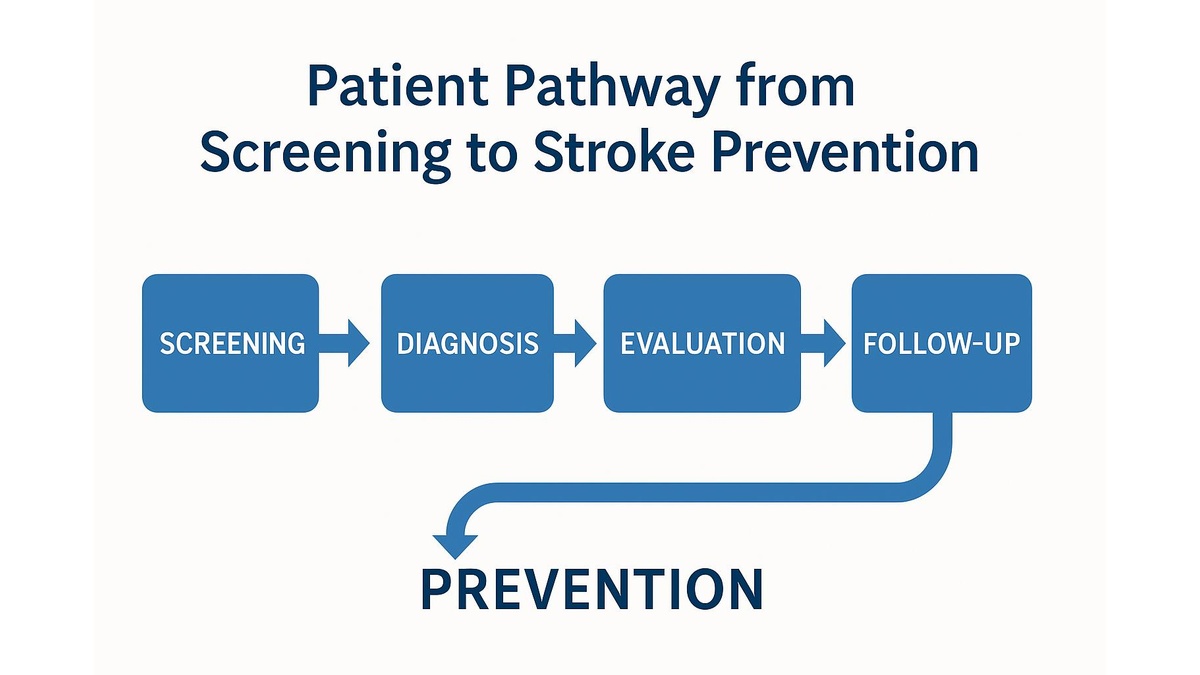
From Screening to Stroke Prevention
Where to Get Vascular Screening in Fishersville, VA
Residents of the Shenandoah Valley have direct access to comprehensive vascular screening at Shenandoah Valley Surgical Associates (SVSA) in Fishersville, Virginia.
Our board-certified vascular surgeons specialize in preventive vascular medicine and use state-of-the-art ultrasound, Doppler, and ABI technology to evaluate every patient’s circulatory health.
Located within the Augusta Health medical campus, SVSA provides a full continuum of care from initial screening and diagnosis to ongoing management and follow-up imaging. Each exam is performed or reviewed by a vascular surgeon, not a general technician, ensuring the highest accuracy and clinical insight.
What to expect during your visit:
- Initial consultation: A vascular specialist reviews your medical history and risk factors.
- Non-invasive testing: Ultrasound, Doppler, or ABI test performed in the same visit.
- Results explanation: Immediate discussion of findings and personalized recommendations.
- Long-term plan: If needed, scheduling of follow-up imaging or preventive therapy.
SVSA’s approach emphasizes early detection and lifelong prevention, helping patients avoid major vascular events before they occur.
From Screening to Prevention The Patient Journey
The goal of vascular screening isn’t just to find disease; it’s to prevent its consequences.
Here’s how that journey typically unfolds at SVSA:
- 1. Screening Appointment
The process begins with a painless, non-invasive vascular ultrasound or ABI test. - 2. Diagnosis & Assessment
Any abnormalities such as plaque buildup or aneurysms are reviewed by your vascular surgeon. - 3. Personalized Care Plan
Depending on your results, you may receive recommendations for lifestyle modification, medication, or monitoring. - 4. Follow-Up and Monitoring
A repeat screening may be scheduled in 6–12 months to track your progress. - 5. Long-Term Prevention
Through ongoing care, most patients maintain healthy circulation and avoid stroke or emergency vascular surgery.
This proactive cycle represents the modern standard of vascular care identifying, managing, and preventing disease long before it becomes life-threatening.
FAQ: Common Questions About Vascular Screening
What exactly is vascular screening and why is it needed?
Vascular screening uses ultrasound and blood pressure measurements to evaluate blood flow and detect blockages or aneurysms early. It helps identify individuals at risk for stroke, heart attack, or limb loss before symptoms appear.
Is ultrasound screening safe?
Yes. Vascular ultrasound uses harmless sound waves no radiation, no contrast dye, and no discomfort. It’s safe for all ages, including those with kidney disease or pacemakers.
How long does the procedure take, and do I need to prepare?
Most exams take 20–30 minutes. You may be asked to avoid eating for 4–6 hours before an abdominal ultrasound, but no special preparation is required for carotid or leg studies.
What happens if an abnormality is found?
Your vascular surgeon will review the findings and discuss options. Small aneurysms or early blockages may just need monitoring; more advanced cases can be treated with medications or minimally invasive procedures to restore blood flow.
How often should I repeat vascular screening if my results are normal?
If no disease is detected and you have no major risk factors, every 3–5 years is sufficient. If you smoke, have diabetes, or hypertension, repeat testing every 1–2 years is recommended.
Author:
Dr. Jacek J. Paszkowiak, MD, FACS

Sources
- Society for Vascular Surgery – Clinical Practice Guidelines
- Centers for Disease Control and Prevention – Preventing Heart Disease
- National Heart, Lung, and Blood Institute – Peripheral Artery Disease: Diagnosis (ABI, Doppler, ultrasound)
- U.S. Preventive Services Task Force – Abdominal Aortic Aneurysm: Screening Recommendation
- American Heart Association – Heart-Health Screenings (why screening matters)