Diabetes is one of the most widespread chronic diseases of our time.
Millions of people live with high blood sugar every day, carefully counting carbohydrates, taking medications, and visiting their doctors. Yet, what many patients don’t realize is that diabetes does not only affect sugar levels it profoundly impacts the vascular system, the network of arteries and veins that carries oxygen and nutrients throughout the body.
This connection between diabetes and vascular disease is often silent but dangerous. Long before symptoms appear, high glucose quietly damages the vessel walls, thickens them, and reduces their ability to deliver blood efficiently. Over the years, this leads to circulation problems, heart attacks, strokes, and limb-threatening complications such as diabetic foot ulcers.
Understanding this relationship is crucial because by controlling diabetes early and aggressively, it is possible to protect the blood vessels and avoid life-altering complications. Let’s look deeper at how it happens.
How High Blood Sugar Damages the Vessel Walls
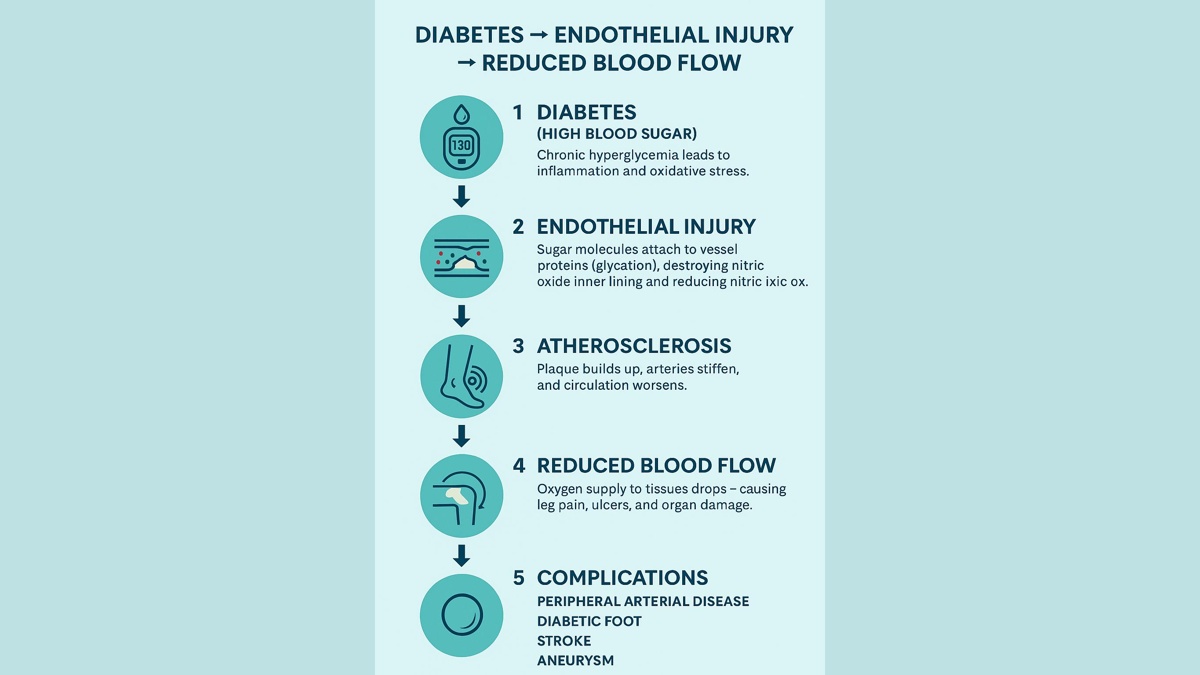
The bloodstream is more than a highway for oxygen and nutrients; it’s a living, reactive system. Each blood vessel is lined by endothelial cells a delicate inner layer that regulates blood flow, pressure, and clotting. When blood sugar remains high, this layer suffers constant stress, eventually losing its ability to protect and heal itself.
Endothelial Dysfunction
Chronically elevated glucose triggers oxidative stress and inflammation. The sugar molecules attach to proteins in the vessel wall, forming compounds known as advanced glycation end products (AGEs). These molecules change the structure and flexibility of the arteries, making them stiff and fragile.
As the endothelium becomes dysfunctional, it can no longer produce adequate amounts of nitric oxide, a molecule that allows blood vessels to relax and widen. This loss leads to vasoconstriction (narrowing of the arteries), higher blood pressure, and reduced oxygen supply to organs and tissues.
Micro- and Macrovascular Damage
Diabetes affects both small and large blood vessels a dual threat often called microvascular and macrovascular disease.
- Microvascular complications involve the smallest vessels those feeding the eyes, kidneys, and nerves. When these vessels become damaged, it results in retinopathy, nephropathy, and neuropathy.
- Macrovascular complications impact the major arteries — leading to atherosclerosis, peripheral arterial disease (PAD), stroke, and coronary artery disease.
The same processes that make glucose toxic to cells oxidative stress, inflammation, and protein damage also make arteries age faster and clog earlier.
“Metabolic Memory”: Lasting Damage
Even if a patient later brings blood sugar under control, the effects of years of high glucose don’t disappear immediately. This phenomenon, known as metabolic memory, means that once blood vessels are injured, they tend to remain fragile and prone to further damage. The lesson: early control matters.
The Role of Other Risk Factors
In real life, diabetes rarely travels alone. Most patients also struggle with high blood pressure, elevated cholesterol, or excess weight all of which further damage the vascular walls. This “perfect storm” accelerates the buildup of plaque and leads to blocked arteries.
When cholesterol particles enter the damaged vessel lining, the body treats them as foreign invaders. White blood cells rush in, causing inflammation that turns the cholesterol into hard, sticky plaque. Over time, this plaque narrows the artery and restricts blood flow.
Poor Circulation and Tissue Damage
Reduced blood flow is especially dangerous in the lower limbs, where the arteries are smaller and farther from the heart. When the vessels can no longer supply enough blood to the legs and feet, wounds heal slowly or not at all. Combined with nerve damage (which reduces pain sensation), this sets the stage for diabetic foot ulcers infections that can spread quickly and may eventually require amputation if not treated promptly.
The Silent Progression
One of the most frightening aspects of vascular damage in diabetes is that it develops silently. Many patients have no symptoms for years. The first sign of trouble might be leg pain while walking, a foot sore that won’t heal, or even a sudden heart attack or stroke. By the time symptoms appear, the arteries are often already severely affected.
For this reason, vascular screening is vital for anyone living with diabetes. Detecting early changes in circulation long before pain or ulcers appear can save limbs and lives.
Early and aggressive diabetes management protects the blood vessels and prevents irreversible vascular complications.
Vascular screening helps detect circulation problems before symptoms become severe.
Major Diseases: PAD, Stroke, and Aneurysms
When diabetes damages the vascular system, the consequences can appear in many forms from painful walking to life-threatening events like strokes. The three most common vascular complications are Peripheral Arterial Disease (PAD), Stroke, and Aneurysms. Each condition reflects how fragile blood vessels become under constant metabolic stress.
Peripheral Arterial Disease (PAD)
PAD occurs when arteries that carry blood to the legs and feet become narrowed or blocked. In people with diabetes, Peripheral Arterial Disease is two to four times more likely to develop than in those without diabetes.
When plaque builds up inside the leg arteries, blood flow to the muscles decreases. Patients may notice pain or cramping when walking a symptom known as intermittent claudication. As the disease progresses, even minor injuries to the feet may fail to heal. This combination of poor circulation and nerve damage often leads to foot ulcers, infection, and, in severe cases, amputation.
Early diagnosis is essential. Non-invasive tests like the ankle-brachial index (ABI) or vascular ultrasound can detect decreased blood flow before serious damage occurs. Treating PAD early with medication, lifestyle changes, or minimally invasive procedures can restore circulation and prevent long-term disability.
Stroke and Cerebrovascular Disease
Diabetes significantly increases the risk of stroke both ischemic (caused by blockage) and hemorrhagic (caused by bleeding). High blood sugar damages the arteries in the brain, promotes clot formation, and accelerates atherosclerosis.
When a clot blocks a brain artery, brain cells begin to die within minutes. People with diabetes are not only more likely to experience a stroke but also tend to recover more slowly and suffer more severe complications. Managing glucose, blood pressure, and cholesterol together is therefore essential for stroke prevention.
Warning signs such as sudden weakness, slurred speech, or vision loss should never be ignored. In diabetes, any episode of dizziness or temporary loss of balance warrants immediate medical evaluation it could be an early sign of vascular disease in the brain.
Aneurysms
An aneurysm is a weakened area in an artery wall that bulges outward, much like a balloon. Over time, the wall can stretch and eventually rupture, causing internal bleeding and life-threatening consequences.
Although aneurysms can form anywhere, they most commonly occur in the aorta, the body’s main artery. Diabetes appears to affect the behavior of aneurysms in complex ways in some studies, it slows aneurysm growth; in others, it contributes to inflammation and wall weakening. Regardless, diabetes-related vascular stiffness and hypertension increase overall risk.
Regular vascular imaging, especially for men over 65 and those with a family history of aneurysm, is an important part of preventive vascular care.
How to Control Diabetes to Protect the Vessels
Preventing vascular complications starts with controlling the factors that cause damage in the first place. Fortunately, many of these are measurable and modifiable.
Glycemic Control
The first and most important step is maintaining blood sugar within a safe range. Long-term glucose control is measured by the HbA1c test, which reflects average blood sugar levels over the previous three months.
- The general target is HbA1c < 7%, although individual goals may vary.
- Tight control reduces the risk of both small and large vessel damage.
Even modest improvements in blood sugar can significantly reduce complications. For example, lowering HbA1c by just one percentage point can reduce the risk of vascular disease by up to 30%.
Blood Pressure Management
High blood pressure adds extra strain on already damaged arteries. In people with diabetes, this can double the risk of stroke and heart attack. The recommended goal is usually below 130/80 mmHg.
Controlling blood pressure requires both lifestyle adjustments and, in many cases, medication. Reducing salt intake, maintaining a healthy weight, and taking prescribed antihypertensive drugs (such as ACE inhibitors or ARBs) all help protect the vascular walls.
Cholesterol and Lipid Control
Diabetes often goes hand-in-hand with high levels of LDL (“bad”) cholesterol and triglycerides. These lipids accumulate inside blood vessels, forming plaque that restricts blood flow.
- Target LDL level: below 70 mg/dL for patients with diabetes and vascular disease.
- Statin medications are highly effective in reducing LDL and stabilizing existing plaque.
Cholesterol management is not just about numbers it’s about reducing inflammation inside the arteries and preventing plaque rupture, the main trigger for heart attacks and strokes.
Smoking Cessation
Smoking and diabetes form one of the most dangerous combinations for blood vessels. Tobacco smoke directly injures the endothelium and speeds up atherosclerosis. Quitting smoking dramatically reduces the risk of PAD, amputations, and other vascular complications.
Comprehensive diabetes control protects the entire vascular system from long-term damage and life-threatening complications.
Blood pressure and cholesterol management are key to maintaining arterial health in diabetic patients.
Weight and Physical Activity
Maintaining a healthy weight improves insulin sensitivity, lowers blood pressure, and supports normal cholesterol levels. Regular physical activity such as brisk walking, cycling, or swimming enhances blood circulation and helps the body use insulin more efficiently.
Aim for at least 150 minutes of moderate exercise per week.
Medications That Protect the Vascular System
Modern diabetes treatment is no longer focused solely on lowering glucose. New medications such as SGLT2 inhibitors and GLP-1 receptor agonists have shown strong cardiovascular and renal benefits. They reduce inflammation, improve vessel elasticity, and lower the risk of heart failure and major vascular events.
In 2025, these medications are part of standard care for patients with diabetes who also have signs of vascular disease.
Key Health Metrics to Monitor
| Indicator | Target Value |
|---|---|
| HbA1C | < 7% |
| LDL Cholesterol | < 70 mg/dL |
| Blood Pressure (BP) | < 130/80 mmHg |
Keeping these three values within the target range is one of the most effective strategies for preventing long-term vascular damage. Regular check-ups and proactive management of these metrics can dramatically reduce the risks of heart attack, stroke, and limb complications.
The Role of the Vascular Surgeon in Preventing Complications
While diabetes management begins with lifestyle and medical treatment, the involvement of a vascular surgeon can be life-saving. The vascular system is complex, and even small changes in blood flow can have serious consequences for patients with diabetes.
A vascular surgeon specializes in diagnosing, treating, and preventing diseases of the arteries and veins. In the context of diabetes, this includes:
- Evaluating blood flow: Using non-invasive tests such as the ankle-brachial index or vascular ultrasound to detect early blockages.
- Performing minimally invasive procedures: Balloon angioplasty or stent placement to restore blood circulation in blocked leg arteries.
- Surgical bypass: Creating alternative routes for blood to flow around blocked arteries in severe cases of PAD.
- Preventing amputations: Identifying and treating circulation problems before ulcers or gangrene develop.
- Long-term monitoring: Ensuring vessels remain open, wounds heal properly, and recurrence is prevented.
Early consultation with a vascular surgeon can mean the difference between saving a limb and losing one. In modern vascular care Fishersville VA, preventive screening has become an essential step for diabetic patients at risk of circulatory problems.
Nutrition, Blood Pressure, and Glucose: Everyday Care for Your Vessels
Keeping your blood vessels healthy requires daily attention to diet, blood pressure, and glucose control. Small, consistent actions make a large difference over time.
Healthy Eating
A vascular-friendly diet is very similar to a heart-healthy one. It emphasizes:
- Fresh fruits and vegetables (rich in antioxidants and fiber)
- Whole grains instead of refined flour
- Lean protein sources like fish, poultry, and legumes
- Healthy fats such as olive oil, nuts, and seeds
At the same time, it limits:
- Processed foods high in salt, sugar, or saturated fats
- Sugary beverages
- Red and processed meats
A diet like the Mediterranean diet or DASH diet has proven benefits for people with diabetes lowering blood pressure, improving cholesterol levels, and protecting the endothelium.
Blood Pressure and Cholesterol
Monitor your blood pressure regularly at home. If it stays above 130/80 mmHg, consult your healthcare provider.
Lifestyle measures that help include:
- Reducing sodium intake
- Maintaining a healthy weight
- Exercising regularly
- Taking prescribed medications consistently
For cholesterol control, your physician may recommend a statin, which helps stabilize vessel walls and reduce inflammation. Regular lipid tests ensure LDL levels remain below 70 mg/dL.
Glucose Management
Check blood sugar as directed and have your HbA1c measured every 3 to 6 months. Consistent control reduces the risk of both microvascular and macrovascular damage.
Avoid large spikes in glucose by spacing meals evenly and limiting simple carbohydrates. Newer medications, like GLP-1 receptor agonists and SGLT2 inhibitors, not only lower sugar but also improve vascular outcomes.
Physical Activity
Exercise strengthens your heart and vessels, improves circulation, and enhances insulin sensitivity. Walking, cycling, or swimming for at least 30 minutes most days of the week can significantly reduce vascular risk.
If you have PAD or leg pain, ask your doctor about supervised walking programs they can increase your pain-free walking distance and improve blood flow.
Foot and Skin Care
Inspect your feet every day for redness, blisters, cuts, or swelling. Diabetes can cause nerve damage, meaning small injuries may go unnoticed until infection sets in.
- Keep feet clean and dry.
- Trim nails carefully.
- Wear properly fitted shoes.
- See a specialist promptly for any wound that doesn’t heal within a few days.
Regular visits to a vascular care clinic help detect early warning signs and prevent diabetic foot complications.
Call to Action: Get a Vascular Check-Up
If you live with diabetes even if you feel fine your blood vessels may already be under stress. Don’t wait for pain or ulcers to appear. A simple vascular screening can detect circulation problems long before symptoms arise.
F.A.Q
Why is diabetes dangerous for the blood vessels?
High blood sugar damages the inner lining of arteries, causing inflammation, stiffness, and narrowing. Over time, this leads to poor circulation, heart attacks, strokes, and limb complications.
How often should blood flow in the legs be checked?
At least once a year for people with diabetes — more often if you have symptoms like leg pain, numbness, or wounds that heal slowly. Early vascular screening helps detect problems before they become severe.
What is diabetic angiopathy?
Diabetic angiopathy is the collective term for blood vessel damage caused by diabetes. It includes both microangiopathy (affecting small vessels in the eyes, kidneys, and nerves) and macroangiopathy (affecting large arteries like those in the legs, heart, and brain).
Do vitamins help protect blood vessels?
While certain nutrients (like omega-3 fatty acids and antioxidants) can support vascular health, they cannot replace proper glucose, pressure, and cholesterol control. Lifestyle and medical management remain the main defense.
Can amputation be prevented in diabetes?
In many cases, yes. The key is early detection of poor circulation, good foot hygiene, prompt treatment of ulcers, and collaboration with a vascular specialist. With proper care, most amputations can be avoided.
Author:
Dr. William L. Faulkenberry II, MD, FACS

Sources
- Centers for Disease Control and Prevention (CDC) – Diabetes and Your Heart
- American Heart Association – Cardiovascular Disease & Diabetes
- National Institutes of Health (NIH) – Vascular Complications of Diabetes: A Narrative Review
- Society for Vascular Surgery – Diabetes and Vascular Disease
- American Diabetes Association – Microvascular Complications and Foot Care