




























When we talk about keeping our arteries healthy, most people immediately think about medications or surgeries. Yet the two most powerful tools for protecting your blood vessels are found in your everyday routine – what you eat and how you move.
The vascular system – a vast network of arteries, veins, and capillaries is constantly influenced by lifestyle. Every meal, every step, every night of sleep shapes the condition of these vessels. A diet high in processed foods or a sedentary lifestyle doesn’t just add extra pounds; it directly injures the inner lining of the arteries, encouraging inflammation and plaque buildup.
On the other hand, a heart-healthy diet and regular exercise for circulation help keep the arteries elastic, improve blood flow, and reduce the risk of serious conditions like heart attack, stroke, and peripheral arterial disease (PAD). The science behind it is solid: even moderate changes in diet and physical activity can cut cardiovascular risk by nearly half over time.
Let’s start by looking at what your blood vessels truly need from your plate.
ГРАФИКА
Which Nutrients Support Healthy Arteries
Food is more than fuel – it’s information for your cells. Certain nutrients act like protective shields for the arteries, while others accelerate damage. To maintain vascular strength and flexibility, focus on nutrients that reduce inflammation, stabilize blood sugar, and support endothelial function (the delicate inner lining of vessels).
Omega-3 Fatty Acids
These essential fats, found mainly in fish such as salmon, sardines, and trout, help lower triglycerides, reduce inflammation, and make platelets less likely to stick together. Omega-3s also support the formation of nitric oxide, which widens arteries and improves circulation.
Aim to include fish two to three times a week or consider plant-based sources such as flaxseed, chia seeds, and walnuts.
Fiber
Dietary fiber, especially soluble fiber, binds cholesterol in the digestive tract and helps remove it from the body. High-fiber foods — oats, beans, lentils, fruits, and vegetables — help keep LDL (“bad”) cholesterol low while stabilizing blood glucose. This reduces one of the main triggers for vascular injury: glycation and oxidative stress.
Antioxidants and Polyphenols
Colorful fruits and vegetables are packed with compounds like vitamin C, vitamin E, flavonoids, and resveratrol. These antioxidants neutralize free radicals that damage artery walls. Berries, citrus fruits, dark leafy greens, and green tea all contribute to reducing oxidative stress, a core factor in atherosclerosis.
Potassium, Magnesium, and Calcium
These minerals help regulate blood pressure and muscle tone in the vessel walls. Potassium from bananas, spinach, and potatoes helps balance sodium levels, while magnesium and calcium from leafy greens, yogurt, and almonds support vascular tone and prevent spasms.
Monounsaturated and Polyunsaturated Fats
Replacing saturated fats (found in red meat, butter, and full-fat dairy) with healthier oils – such as olive oil, avocado oil, or canola oil supports the “good” HDL cholesterol that removes plaque from arteries. This principle is central to both the Mediterranean and DASH diets, which consistently rank as top diets for heart and vascular health.
Plant Sterols and Stanols
Naturally occurring in nuts, seeds, and some fortified foods, plant sterols block cholesterol absorption in the intestine. Regular intake can lower LDL by 5–15%, further protecting the vascular lining from fatty deposits.
Nitric-Oxide–Promoting Foods
Beets, pomegranates, garlic, and leafy greens contain natural nitrates that the body converts into nitric oxide a molecule that relaxes arteries and enhances blood flow. These foods are especially beneficial for individuals with high blood pressure or peripheral arterial disease.
Everyday Eating Habits That Strengthen Circulation
Beyond individual nutrients, the pattern of eating is what truly shapes vascular health. The most effective diets are not restrictive but balanced and sustainable.
Core principles for a healthy vascular diet:
- Eat mostly plant-based meals rich in color and variety.
- Include lean proteins such as fish, poultry, beans, or tofu.
- Use olive oil or other unsaturated fats as the main source of added fat.
- Keep portions moderate to maintain healthy weight and blood sugar.
- Limit sodium to manage blood pressure.
- Stay hydrated — water supports proper blood viscosity and vessel elasticity.
Simple consistency matters more than perfection. The daily decision to add an extra serving of vegetables or replace butter with olive oil has a measurable effect on the arteries over time.
Foods to Limit or Avoid
While certain nutrients strengthen arteries, others weaken them causing inflammation, raising cholesterol, and accelerating plaque formation. For lasting vascular health, understanding which foods to limit is just as important as knowing what to include.
Trans Fats and Hydrogenated Oils
These artificial fats are among the worst for blood vessels. Found in fried foods, margarine, pastries, and many processed snacks, trans fats raise LDL cholesterol while lowering HDL a double blow to vascular health. Even small amounts can have lasting effects on arterial stiffness.
Excess Saturated Fat
Saturated fats, found in red and processed meats, butter, cheese, and full-fat dairy, increase LDL cholesterol and promote inflammation. Replacing them with healthier unsaturated fats (olive oil, nuts, seeds, fish) helps reduce vascular strain.
High-Sodium Foods
Too much salt raises blood pressure, putting extra stress on arteries. Processed foods, canned soups, sauces, and fast food are hidden sources of sodium. Aim to keep total sodium intake below 2,300 mg per day (or lower if you have hypertension).
Refined Carbohydrates and Added Sugars
White bread, sugary drinks, pastries, and sweets rapidly spike blood sugar levels, promoting insulin resistance and inflammation. Over time, these effects damage the endothelium the inner layer of blood vessels and increase the risk of diabetes and atherosclerosis.
Processed and Fried Foods
Fast food items often combine several harmful elements: trans fats, salt, refined carbs, and chemical additives. Regular consumption of these foods contributes directly to vascular aging and stiffening.
Healthy vs. Unhealthy Choices for Vascular Health
| Healthy | Unhealthy |
|---|---|
| Fish, vegetables, whole grains | Fried foods, fast food |
| Olive oil | Trans fats, margarine |
| Nuts and seeds | Excess salt and processed snacks |
This simple comparison illustrates how everyday decisions shape the health of your arteries. A plate rich in color, natural oils, and plant fiber supports better blood flow and resilience — while processed or fried foods accelerate vascular damage.
Physical Activity: Types and Safe Intensity
Physical activity may build the foundation, but movement is what keeps your circulation alive. Exercise for circulation acts like a natural pump, strengthening the heart, lowering blood pressure, and improving oxygen delivery throughout the body.
Physical activity doesn’t have to mean intense gym workouts. What matters is consistency – daily motion that raises the heart rate and encourages steady blood flow through the vessels.
Aerobic (Cardio) Exercise
Cardio activities are the cornerstone of vascular fitness. They include walking, cycling, swimming, and dancing. These exercises increase heart rate, improve oxygen uptake, and enhance the flexibility of arteries.
Aim for 150 minutes of moderate-intensity aerobic exercise per week such as brisk walking for 30 minutes, five days a week.
Resistance (Strength) Training
Building muscle mass helps the body use glucose more efficiently and maintain healthy metabolism. Two sessions per week of light resistance exercise (using bands, weights, or body weight) support vascular elasticity and bone strength.
Flexibility and Balance
Yoga, stretching, and tai chi improve balance and help maintain smooth muscle tone within the vessel walls. They also reduce stress hormones, which are known to constrict blood vessels and elevate blood pressure.
How to Start Exercising Safely if You Have Peripheral Arterial Disease (PAD)
For people living with PAD, exercise may seem challenging but it’s one of the most effective treatments for improving circulation in the legs. The key is gradual, guided activity under medical supervision.
Tips for Starting Safely
- Begin with short, slow walks — 5 to 10 minutes at a comfortable pace.
- Stop when pain appears, rest, and then continue walking after recovery. This “walk-rest-walk” pattern improves endurance.
- Increase time and distance gradually, aiming for 30 to 45 minutes of walking several times a week.
- Supervised exercise programs at vascular clinics provide structured guidance and monitor safety.
- Always warm up, wear proper footwear, and stay hydrated.
Over time, these efforts expand collateral circulation — the body’s natural backup system of small vessels that improve blood flow around blockages.
SVSA Experts’ Advice on Daily Routine and Hydration
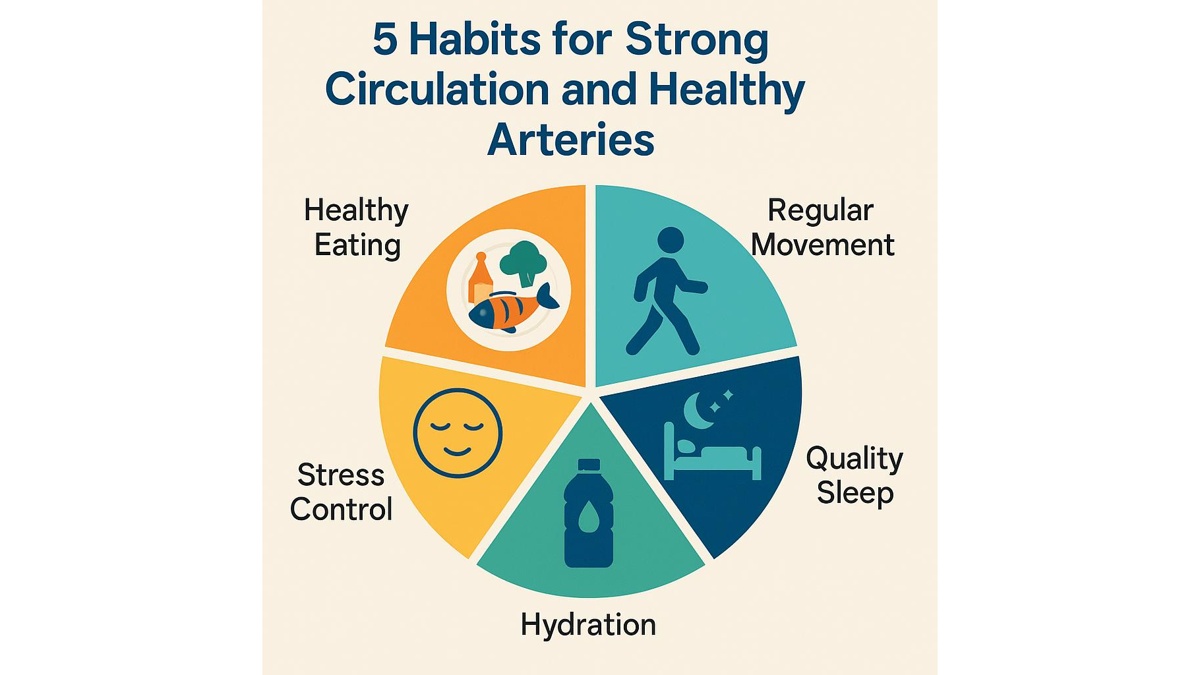
Even the most balanced diet and active lifestyle can lose their benefits without proper rhythm, recovery, and hydration. Doctors at SVSA emphasize that the body’s vascular system thrives on consistency – not perfection.
A few simple adjustments in daily habits can amplify all your nutrition and fitness efforts.
Keep a Consistent Daily Rhythm
Your blood vessels, like the rest of your body, follow natural circadian rhythms. Irregular sleep, late-night meals, and stress disrupt hormonal balance and vascular tone.
- Wake and sleep at regular hours. Quality sleep supports blood pressure control and vascular repair.
- Eat at similar times daily. This helps stabilize glucose and lipid metabolism.
- Avoid heavy meals late at night. The digestive load interferes with vascular relaxation and nighttime recovery.
Prioritize Hydration
Blood is about 90% water, and even mild dehydration thickens it, making the heart work harder. For optimal circulation, aim for 6–8 glasses of water daily (roughly 1.5–2 liters), adjusting for heat, activity, and health conditions.
Choose water, herbal tea, or fruit-infused water over sugary drinks. Limit caffeine and alcohol, which can dehydrate and constrict blood vessels if consumed in excess.
Balance Activity and Rest
The goal of exercise isn’t exhaustion – it’s stimulation and recovery.
- Alternate between active and rest days to allow the vascular system to adapt.
- Gentle stretching or walking on rest days maintains steady blood flow.
- Avoid sitting for long periods — stand, stretch, or walk every hour.
Even short bouts of light movement after meals can improve glucose control and vascular tone.
Manage Stress Mindfully
Chronic stress releases hormones (like cortisol and adrenaline) that tighten arteries and raise blood pressure. Stress control isn’t just emotional hygiene – it’s vascular protection.
Try breathing exercises, meditation, or spending time outdoors. A 10-minute relaxation break can lower blood pressure as effectively as medication over time.
Know When to Get Checked
Routine vascular check-ups are vital, especially for those with risk factors like diabetes, high blood pressure, smoking, or a family history of heart disease. A vascular screening can reveal issues long before symptoms appear.
At SVSA Inc., vascular specialists provide detailed assessments, from blood flow studies to lifestyle counseling. Prevention is the true form of healing.
Call to Action: Protect Your Circulation Today
Circulation is the essence of vitality — your arteries are the highways of life, carrying oxygen, nutrients, and energy to every cell. Keeping them healthy is simpler than it seems: eat well, move daily, rest properly, and stay hydrated.
F.A.Q
Which diet is better for vascular health — Mediterranean or DASH?
Both are excellent choices. The Mediterranean diet emphasizes olive oil, fish, vegetables, and nuts — ideal for reducing inflammation. The DASH diet (Dietary Approaches to Stop Hypertension) focuses more on lowering sodium and balancing minerals for blood pressure control. For most people, a combination of both works best.
Can I drink coffee if I have Peripheral Arterial Disease (PAD)?
Moderate coffee consumption (1–2 cups per day) is generally safe and may even offer antioxidant benefits. However, avoid excessive caffeine, which can raise blood pressure and constrict arteries temporarily. Always consult your doctor if you have Peripheral Arterial Disease or hypertension.
Which vitamins help improve blood flow?
Vitamins C and E, omega-3 fatty acids, and minerals like magnesium contribute to vessel flexibility and endothelial health. However, supplements should never replace a nutrient-rich diet. Natural foods provide these elements in more balanced and bioavailable forms.
How much should I walk per day for arterial health?
Aim for 7,000–10,000 steps daily, or about 30 minutes of brisk walking most days of the week. For people with PAD, structured walking programs supervised by a specialist can significantly improve circulation and walking tolerance.
Can I exercise after vascular surgery?
Yes, but only under medical supervision. Light activity (like walking or gentle stretching) is usually encouraged after recovery begins, while intense exercise should wait until cleared by your vascular surgeon. Gradual reintroduction of movement helps rebuild strength and circulation safely.
Author:
William G. Thompson

Sources
- Centers for Disease Control and Prevention (CDC) — Physical Activity Basics
- American Heart Association — Healthy Eating for Heart and Vessels
- National Institutes of Health (NIH) — Exercise and Cardiovascular Health
- Harvard Health Publishing — Nutrition for Healthy Arteries
- Society for Vascular Surgery — Lifestyle Guidance