Many people mistake early signs of vascular disease for ordinary fatigue, aging, or muscle pain. Yet what seems like a mild discomfort can signal a deeper problem with circulation – one that may progress quietly until it becomes serious.
Knowing when to see a vascular specialist is essential for maintaining healthy blood flow throughout the body. Problems with arteries and veins can affect the legs, brain, kidneys, and even the heart. The sooner they are detected, the easier they are to treat without major surgery.
If you’ve ever searched online for a vascular surgeon near me, you’ve already taken an important step toward protecting your long-term health. This guide will help you recognize warning signs, understand what a vascular surgeon does, and know what to expect during your first consultation at Shenandoah Valley Surgical Associates (SVSA) in Fishersville, Virginia.
Common Symptoms of Vascular Disorders
Vascular conditions often develop gradually, giving only subtle clues at first. However, the body tends to send clear signals when circulation begins to fail. Recognizing these poor circulation symptoms can help you act before irreversible damage occurs.
-
Leg Pain or Cramping When Walking
Pain, tightness, or cramping in the calves, thighs, or hips while walking – which improves after rest — is called claudication. It’s a classic symptom of peripheral artery disease (PAD), caused by narrowing of the arteries that supply the legs.
-
Numbness or Coldness in the Feet
If one leg or foot feels consistently colder or more numb than the other, circulation could be impaired. Reduced blood flow means the tissues are not getting enough oxygen, which can lead to sores or ulcers that heal slowly.
-
Skin Discoloration or Hair Loss on the Legs
Bluish or dark patches, shiny skin, or loss of leg hair can all be early signs of vascular disease. When the skin’s oxygen supply decreases, its appearance changes — sometimes long before pain begins.
-
Swelling or Bulging Veins
Swollen, twisted veins in the legs may indicate varicose veins or chronic venous insufficiency, where the valves inside the veins don’t close properly. Although not always dangerous, untreated venous problems can cause leg heaviness, fatigue, and ulcers over time.
-
Dizziness, Vision Changes, or Facial Numbness
These symptoms can be linked to carotid artery disease, a narrowing of the arteries that carry blood to the brain. Blockage in these vessels increases the risk of stroke, especially when accompanied by transient weakness or speech difficulty.
-
Non-Healing Wounds on the Feet or Toes
Poor circulation slows the healing process. Small cuts or sores that persist for weeks, particularly in people with diabetes, can become infected or lead to tissue loss (gangrene) if not treated promptly.
-
Pain at Rest
When blood flow becomes severely restricted, pain may appear even when you are not walking. Nighttime foot pain that improves when the leg is dangled off the bed is a red flag for advanced vascular disease.
If you experience any of these symptoms, it’s important to schedule an evaluation as soon as possible. Many conditions can be treated effectively without major surgery if caught early.
Why You Shouldn’t Delay a Vascular Evaluation
Ignoring circulation issues can lead to complications that are far more difficult to manage later. Modern vascular care is highly effective — but timing is everything.
Early Detection Prevents Major Complications
Conditions like peripheral artery disease, carotid stenosis, and venous insufficiency progress silently. By the time symptoms become severe, arteries or veins may already be significantly blocked. Early diagnosis through simple tests such as ABI (ankle-brachial index) or ultrasound can identify problems before they threaten limb or organ function.
Vascular Health Affects the Whole Body
The vascular system is the body’s delivery network. When circulation fails in one area, it can signal broader issues — including an increased risk of heart attack and stroke. Research from the Centers for Disease Control and Prevention (CDC) shows that vascular disease shares risk factors with coronary artery disease, such as smoking, high blood pressure, diabetes, and elevated cholesterol.
Minimally Invasive Treatments Work Best Early
Modern vascular specialists use catheter-based procedures and imaging-guided techniques to restore blood flow. These approaches are most effective when disease is detected early, before arteries become completely blocked or tissue damage occurs.
Delaying Care Can Lead to Limb Loss
Advanced peripheral artery disease can result in critical limb ischemia, where blood flow is so poor that the tissue begins to die. In severe cases, amputation becomes necessary. Early screening and intervention can prevent this outcome in nearly all patients.
Peace of Mind Through Professional Evaluation
Even if your symptoms are mild or intermittent, consulting a specialist offers clarity. Noninvasive tests can quickly confirm whether circulation is normal. For many patients, this peace of mind is as valuable as treatment itself.
If you’ve noticed pain, swelling, numbness, or discoloration in your legs, don’t ignore it. Schedule an appointment with a vascular surgeon near me to understand your vascular health and explore treatment options before problems progress.
What Conditions a Vascular Specialist Treats
A vascular surgeon is a medical doctor who specializes in diagnosing, managing, and treating diseases of the blood vessels — arteries, veins, and lymphatic circulation — throughout the body. Unlike many other surgeons, vascular specialists provide both surgical and nonsurgical treatments, meaning they can tailor care to each patient’s individual condition.
Arterial Diseases
-
Peripheral Artery Disease (PAD)
PAD occurs when arteries that supply the legs become narrowed or blocked due to a buildup of plaque (atherosclerosis). It can cause leg pain, cramping, or fatigue while walking and may lead to ulcers or tissue loss if untreated.
-
Aortic Aneurysm
An aneurysm is a weak spot in the wall of a major artery, such as the aorta. If it grows large, it can rupture and cause life-threatening bleeding. Early detection and repair — often through endovascular surgery — can prevent this.
-
Carotid Artery Disease
This condition involves narrowing of the arteries that carry blood to the brain. Carotid stenosis increases the risk of stroke. A vascular specialist can perform ultrasound screening and, if needed, minimally invasive stenting or carotid endarterectomy.
Venous Disorders
-
Varicose Veins and Chronic Venous Insufficiency
These are among the most common vascular problems. Faulty valves in the veins cause blood to pool in the legs, leading to swelling, heaviness, or ulcers. Treatments include compression therapy, laser closure, or minimally invasive vein removal.
-
Deep Vein Thrombosis (DVT)
A blood clot in a deep vein, usually in the leg, can break loose and travel to the lungs, causing a pulmonary embolism. Early diagnosis through ultrasound and prompt treatment prevent dangerous complications.
Other Vascular Conditions
Vascular specialists also manage conditions affecting kidney arteries, mesenteric circulation (blood flow to the intestines), and lymphatic drainage. They treat traumatic vascular injuries and perform access surgery for dialysis patients.
In short, a vascular surgeon focuses on one mission — keeping your body’s circulatory system functioning properly to prevent stroke, limb loss, and life-threatening complications.
What to Expect at Your First Appointment at SVSA
Visiting a specialist for the first time can feel intimidating, but the process at Shenandoah Valley Surgical Associates (SVSA) in Fishersville, Virginia, is designed to be clear, efficient, and patient-focused.
Step 1: Medical History and Symptom Review
Your visit begins with a detailed conversation about your symptoms, lifestyle, and risk factors. The doctor will ask about leg pain, swelling, wounds that don’t heal, or dizziness. It’s important to mention smoking history, diabetes, or high cholesterol — all major contributors to vascular disease.
Step 2: Physical Examination
The specialist checks the pulses in your legs, feet, and neck, looking for differences that suggest blocked arteries. They may also inspect the skin for discoloration or varicose veins.
Step 3: Noninvasive Diagnostic Testing
SVSA uses advanced, noninvasive tools to assess circulation:
- Ankle-Brachial Index (ABI): compares blood pressure in the ankle and arm to detect PAD.
- Doppler Ultrasound: shows blood flow in arteries and veins and identifies blockages or valve problems.
- Carotid Ultrasound: checks for narrowing in neck arteries.
All of these tests are quick, painless, and provide valuable information on vascular health.
Step 4: Discussion of Results and Treatment Plan
Your surgeon reviews your test results the same day whenever possible. If circulation problems are found, treatment options may include lifestyle changes, medications, or minimally invasive procedures. For example, small blockages can often be treated with balloon angioplasty or stent placement.
Step 5: Scheduling and Follow-Up
If further treatment or imaging is needed, SVSA staff will schedule it promptly – often within days. Many patients can complete consultation, testing, and initial recommendations in a single visit.
This efficient, patient-centered approach saves time and ensures that vascular concerns are addressed before they escalate.
Table: Symptoms, Possible Conditions, and Recommended Tests
| Symptom | Possible Condition | Recommendation |
|---|---|---|
| Leg cramps or numbness | Peripheral Artery Disease (PAD) | ABI screening test |
| Skin darkening on the feet | Poor circulation or venous stasis | Duplex ultrasound |
| Dizziness or blurred vision | Carotid artery stenosis | Carotid ultrasound |
| Swelling in the legs | Chronic venous insufficiency | Venous reflux ultrasound |
| Non-healing foot sores | Severe PAD or diabetes-related ischemia | Vascular consultation |
This quick reference table helps patients recognize how seemingly mild symptoms can indicate serious circulatory problems.

How to Prepare for Your Visit and Which Tests You May Need
Preparing for your first visit to a vascular surgeon near me helps ensure that your appointment is productive and efficient. Vascular specialists rely on detailed history, physical examination, and targeted testing to identify the cause of your symptoms and create a personalized care plan.
What to Bring
- Medical Records – Bring any previous test results, imaging scans (CT, MRI, or ultrasound), and a list of current medications.
- Health History – Write down your medical conditions, including diabetes, high blood pressure, high cholesterol, or prior vascular procedures.
- Symptom Journal – Note when your symptoms occur (for example, leg pain while walking or nighttime foot cramps) and what makes them better or worse.
- Comfortable Clothing – Wear loose-fitting clothes to allow examination of your legs and feet.
Before the Appointment
- Avoid applying lotions or creams to your legs on the day of your visit, as they can interfere with some ultrasound tests.
- Continue your usual medications unless instructed otherwise.
- Eat and hydrate normally unless fasting is required for a specific test (the clinic will inform you if necessary).
Common Diagnostic Tests at SVSA
-
Ankle-Brachial Index (ABI)
Measures blood pressure differences between the arms and ankles to detect peripheral artery disease (PAD). Quick, noninvasive, and painless.
-
Doppler or Duplex Ultrasound
Uses sound waves to evaluate blood flow in arteries and veins. It identifies blockages, narrowing, and valve problems.
-
Carotid Ultrasound
Assesses the arteries that supply blood to the brain, detecting early signs of carotid stenosis.
-
CT Angiography or MR Angiography
In complex cases, advanced imaging provides detailed 3D views of the vascular system, guiding precise treatment planning.
After the Appointment
Your vascular specialist will review the results and explain what they mean. If a problem is detected, treatment options may include:
- Lifestyle modifications (exercise, smoking cessation, diet changes)
- Medication to control blood pressure, cholesterol, or clotting risk
- Minimally invasive endovascular procedures such as angioplasty, stent placement, or vein ablation
- Surgical interventions, when necessary, for severe or advanced cases
Early diagnosis and proper management can restore circulation, relieve pain, and prevent serious complications like stroke or limb loss.
Frequently Asked Questions (FAQ)
-
How is a vascular surgeon different from a cardiologist?
A cardiologist treats the heart, while a vascular surgeon manages blood vessels throughout the body — including legs, neck, and abdomen.
-
Do I need a referral to see a vascular specialist?
In most cases, no. You can schedule an appointment directly at Shenandoah Valley Surgical Associates (SVSA) without a physician referral.
-
What tests are done during the first visit?
Usually, noninvasive studies like an ankle-brachial index or Doppler ultrasound are performed to check circulation.
-
How quickly can I get my ultrasound results?
Results are often available the same day, and your surgeon reviews them during your visit.
-
Can I complete my evaluation in one day?
Yes. Most patients at SVSA complete their consultation and testing in a single visit.
Call to Action (CTA)
If you notice symptoms such as leg pain, swelling, skin discoloration, or dizziness, don’t wait. These can be early signs of circulation problems.
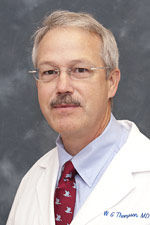
Author:
Dr. William G. Thompson, MD, FACS
Sources
- Centers for Disease Control and Prevention (CDC) – Heart Disease and Vascular Risk Factors
- Society for Vascular Surgery (SVS) – Patient Education Resources
- Mayo Clinic – Overview of Vascular Diseases and Treatments
- National Institutes of Health (NIH) – Vascular Conditions and Circulatory Health
- Cleveland Clinic – When to See a Vascular Surgeon